About Us / Summary
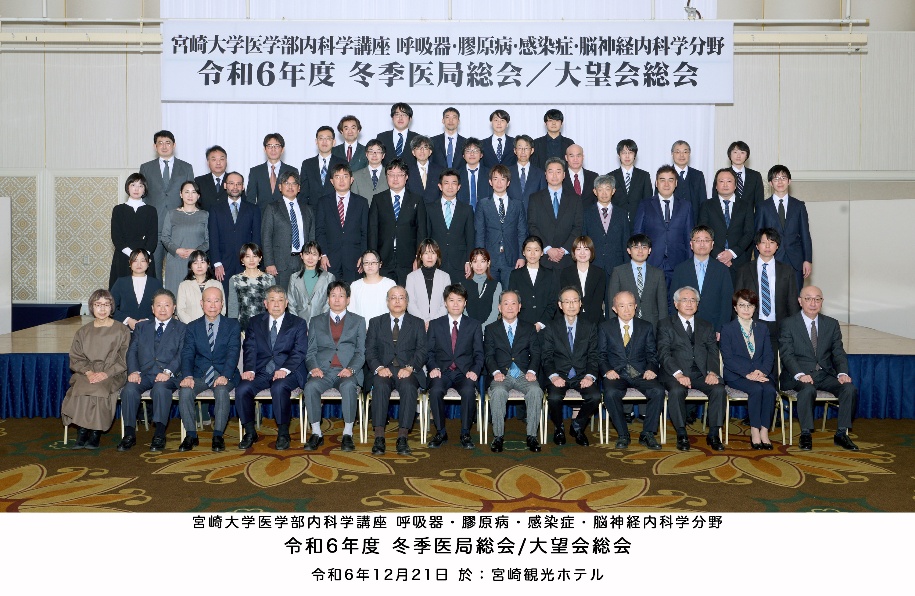
The Department of Respiratory Medicine, Rheumatology, Infectious Diseases, and Neurology (Department of Internal Medicine) comprises four divisions: the Division of Respiratory Medicine, the Division of Rheumatology and Clinical Immunology, the Division of Infectious Diseases, and the Division of Neurology. We cover a broad spectrum of internal medicine. For complex conditions—including severe, refractory, and rare diseases—we collaborate across divisions and leverage each division’s expertise to provide the best possible care.
We also actively pursue research that emerges from questions in daily clinical practice, aiming to develop new diagnostic approaches and treatment strategies. For international students, we offer an environment where clinical learning is closely linked to a research perspective.
Major Subspecialty: Division of Respiratory Medicine
Clinical Scope and Educational Value
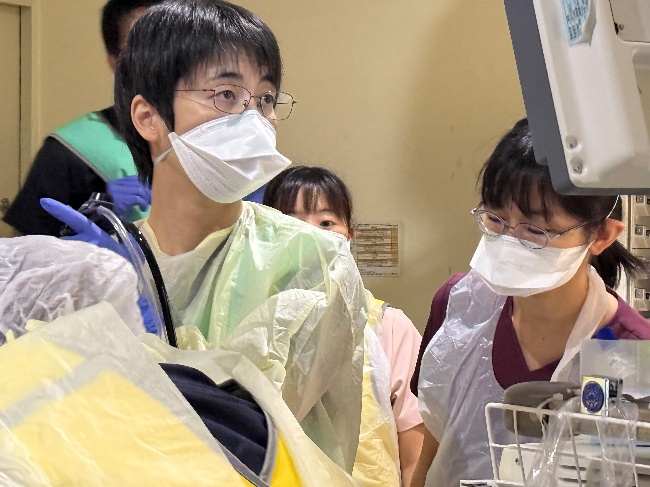
The Division of Respiratory Medicine manages a wide range of conditions, including infectious diseases, thoracic malignancies, interstitial lung diseases, allergic diseases, immune-mediated diseases, airway diseases, and circulatory disorders. Through broad differential diagnosis and an understanding of pathophysiology, students can learn how to integrate multiple sources of information—imaging, pathology, pulmonary function testing, and endoscopic findings—to reach appropriate diagnoses.
Therapeutic Advances and Patient-Centered Care
Therapeutic options have advanced rapidly in recent years. In lung cancer, precision medicine has expanded with molecular targeted therapies and immune checkpoint inhibitors. In interstitial lung diseases, treatment strategies continue to evolve with the widespread use of antifibrotic agents. For COPD and asthma, new options—including biologics (monoclonal antibodies)—are increasingly available. A key feature of this field is learning patient-centered care across the full spectrum, from acute management to chronic care, as well as symptom management and supportive care.
Research Focus
We are advancing research on respiratory infections, lung cancer, interstitial lung diseases, and bronchial asthma, from the perspective of basic and translational research. We also conduct clinical research, including biomarker discovery, evaluation of treatment outcomes, and quality-of-life (QOL) research, and share our research findings with the world.
Main Clinical Research Areas
- Establishment of an infectious disease research platform in Miyazaki Prefecture
- Development of diagnostic agents and therapeutics for controlling drug-resistant filamentous fungal infections
- Elucidation of the formation mechanisms of the lung cancer microenvironment at the single-cell level
- Identification of the mechanisms of action for novel therapeutic agents for lung fibrosis
- Investigation of the anti-inflammatory effects of lipid-derived biomarkers in bronchial asthma
- Development of new therapeutic strategies for acute respiratory distress syndrome
Major Subspecialty: Division of Rheumatology and Clinical Immunology
About the Department
Our department, led by Director Dr. Kunihiko Umekita, consists of 16 physicians who are actively engaged in both clinical care and research. We provide specialized care for patients with complex and refractory autoimmune and rheumatic diseases requiring advanced therapeutic management.
Clinical Expertise and Patient Population
We serve as a regional referral center for rheumatic diseases across Miyazaki Prefecture. Many patients are referred to us from affiliated hospitals throughout the region. A distinctive feature of our department is the only dedicated outpatient clinic in Japan for HTLV-1–positive rheumatic diseases. Patients visit our institution from across the country.
Clinical Trials
We actively participate in international multicenter clinical trials. Current studies include:
- OPUS-1 (cenerimod for SLE)
- CVAY736F12301 (ianalumab for SLE)
- BEconneCTD-ILD (belimumab for CTD-ILD)
- SELECT-SLE (upadacitinib for SLE)
HTLV-1 Clinical Care and Research
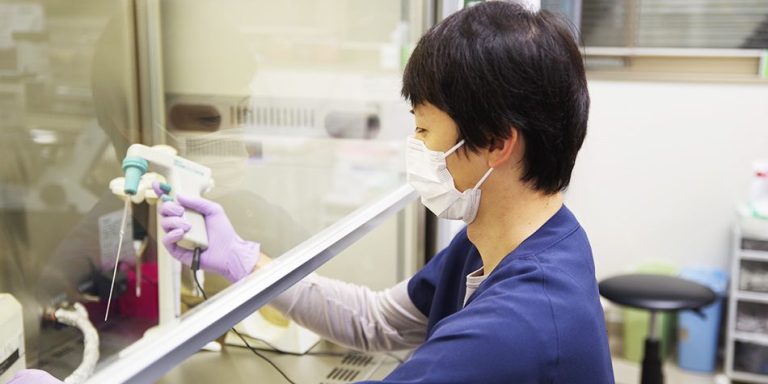
In 2017, Miyazaki University established a specialized outpatient clinic for HTLV-1-positive rheumatic diseases, and we currently provide care for a large number of HTLV-1-positive patients with rheumatic diseases. Using clinical data and biological samples obtained during routine care, we conduct both clinical and basic research on HTLV-1. We are also conducting an international collaborative study with San Marcos University in Peru to investigate the prevention of HTLV-1 mother-to-child transmission.
Major Subspecialty: Division of Infectious Diseases
Department Overview
The Division of Infectious Diseases provides specialized care for a broad spectrum of infectious diseases, including bacterial and fungal infections, HIV/AIDS, sexually transmitted infections, rickettsial diseases, and imported or emerging infections.
Through cross-departmental consultations, students gain an integrated understanding of antimicrobial stewardship, the management of severe infections, and hospital infection prevention and control. Multidisciplinary case discussions, along with close collaboration with the Infection Control Department and the Microbiology Laboratory, enable learners to develop the ability to support clinical decision-making using microbiological and epidemiological data.
Areas of Expertise
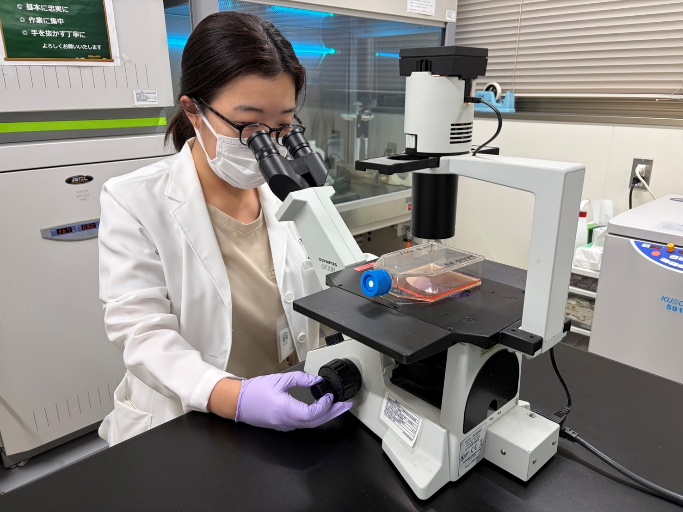
Our division specializes in the management of complex infectious diseases through a collaborative, team-based approach. We place particular emphasis on regional infectious diseases, providing advanced care for endemic conditions such as tick-borne diseases, while promoting the appropriate and optimized use of antimicrobial agents throughout the hospital.
Main Clinical Research Areas
Our research addresses real-world clinical challenges and focuses on the following areas:
- Epidemiological studies and identification of prognostic indicators for Severe Fever with Thrombocytopenia Syndrome (SFTS)
- Investigation of the pathogenesis and mechanisms of antifungal resistance in invasive fungal infections
- Regional surveillance and clinical research on antimicrobial-resistant (AMR) bacteria
Major Subspecialty: Division of Neurology
Clinical Scope
The Division of Neurology provides comprehensive care for diseases of the brain, spinal cord, peripheral nerves, and the neuromuscular system. We manage dementia, cerebrovascular disease, meningitis/encephalitis, headache, epilepsy, neurodegenerative disorders including Parkinson’s disease and amyotrophic lateral sclerosis (ALS), autoimmune neurological disorders, and neurological complications associated with metabolic diseases. Because neurological disorders often overlap with internal medicine, medical students can study these conditions from the perspectives of both neurology and general internal medicine.
Education and Training
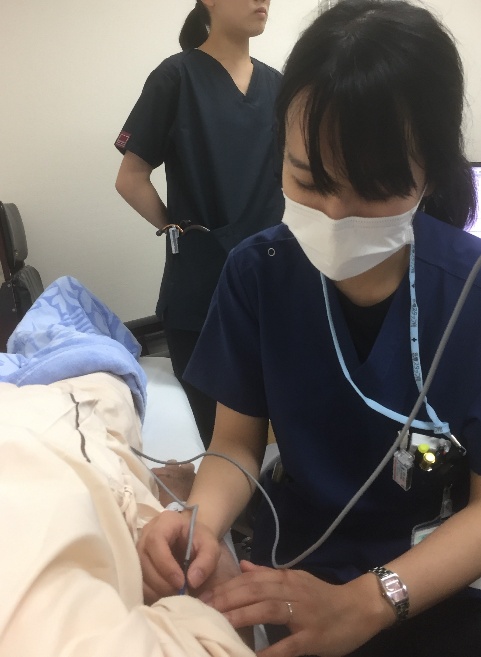
Students can gain exposure to care across the continuum, from emergency settings to chronic disease management. We also perform evaluations using neurophysiological testing, including nerve conduction study (NCS) and needle electromyography (needle EMG).
Research Focus
We actively conduct basic research aimed at elucidating the pathophysiology of neurodegenerative and neuroimmunological disorders and exploring novel therapeutic approaches.
Main Clinical Research Areas
- Registry study on neuroinfectious diseases
- Development of devices and applications to quantify neurological symptoms (e.g., tremor)
Contact Us
5200 Kihara, Kiyotake-cho, Miyazaki-shi, Miyazaki 889-1692, Japan
Tel: +81-985-85-7284
Fax: +81-985-85-4709
Please contact: Dr. Yasuharu Oda
Mailing address: same as above
E-mail: yasuharu_oda@med.miyazaki-u.ac.jp